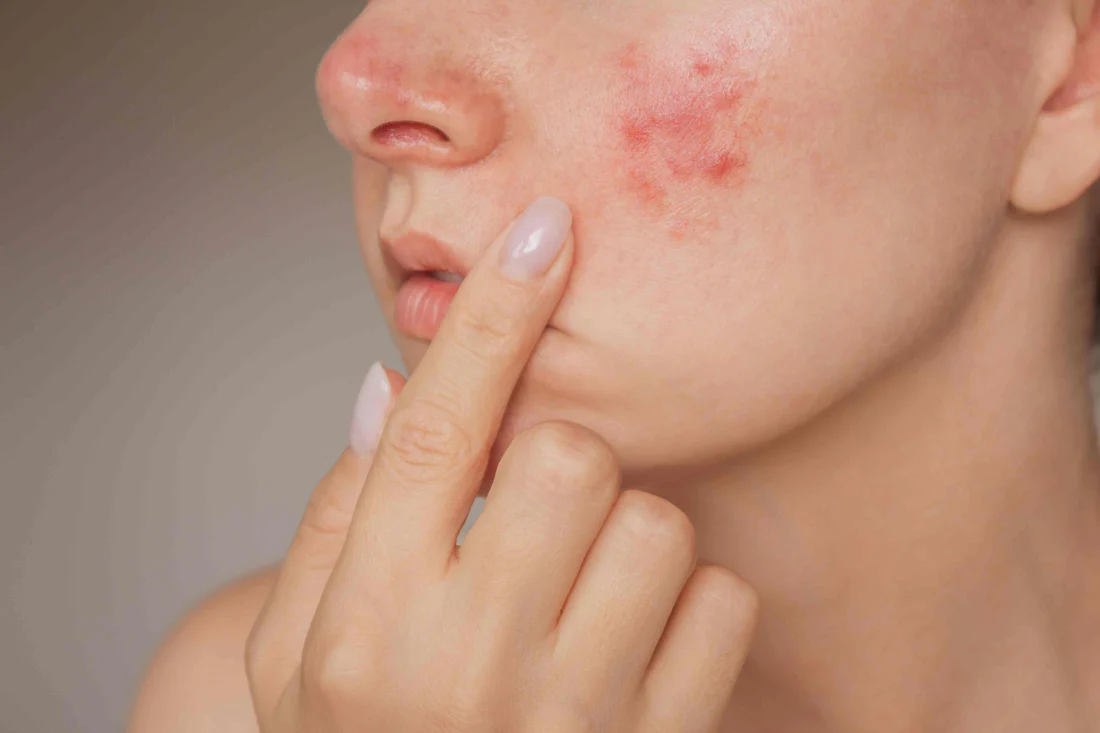
Finding an effective treatment that does not irritate sensitive skin can be challenging. Many active ingredients improve acne or pigmentation but cause dryness or peeling in the process. Azelaic acid, especially in 10–20% strengths, offers a balanced approach by targeting multiple skin concerns while remaining relatively gentle.
This article explains why azelaic acid is often recommended for sensitive, acne-prone, or redness-prone skin.
Why Sensitive Skin Needs a Different Strategy
Sensitive skin reacts more easily to strong exfoliants or high-potency retinoids. Irritation can worsen redness and prolong recovery from breakouts.
Common concerns in sensitive skin include:
- Mild to moderate acne
- Persistent redness
- Post-inflammatory hyperpigmentation
- Stinging with new products
Treatments that reduce inflammation while supporting skin balance are often preferred.
How Azelaic Acid Works on Multiple Levels
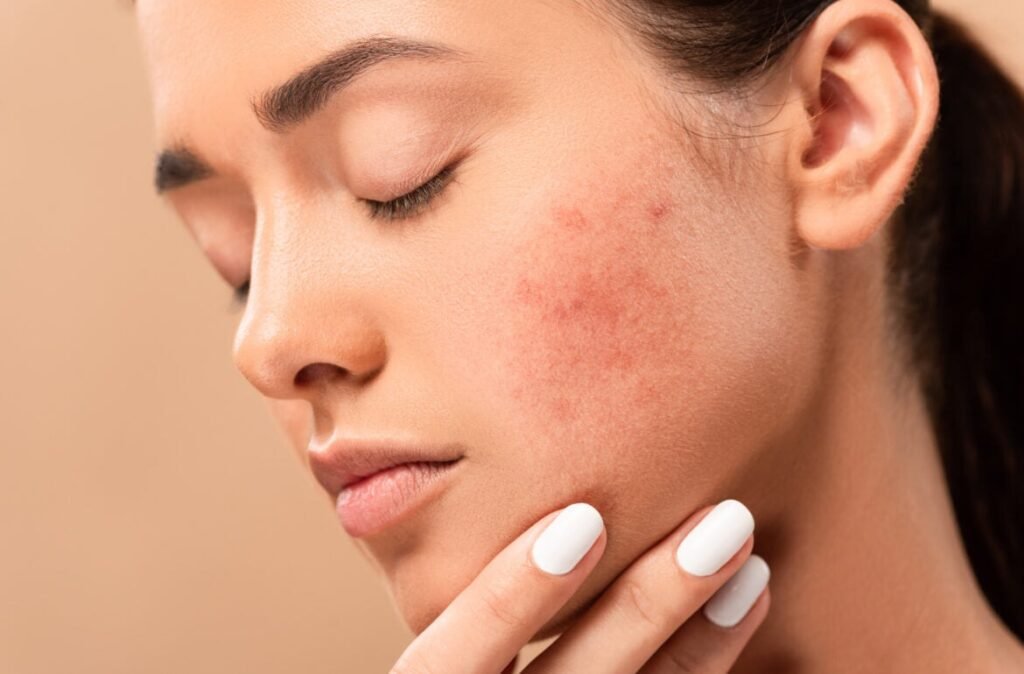
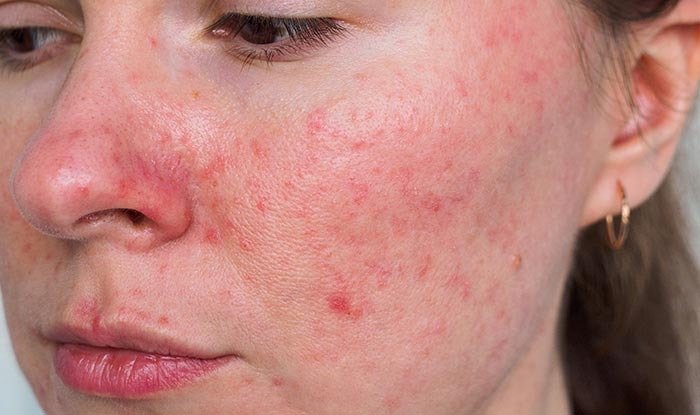
Azelaic acid offers several complementary benefits:
- Reduces acne-causing bacteria
- Normalizes keratinization inside pores
- Calms inflammation
- Inhibits excess melanin production
Because it works gradually and does not aggressively exfoliate, it is often better tolerated than stronger resurfacing agents.
According to the Cleveland Clinic, azelaic acid is commonly used to treat acne and rosacea due to its anti-inflammatory and antibacterial properties.
When Dermatologists Recommend Azelaic Acid
Azelaic acid may be suggested for individuals who:
- Experience irritation from retinoids
- Have mild to moderate inflammatory acne
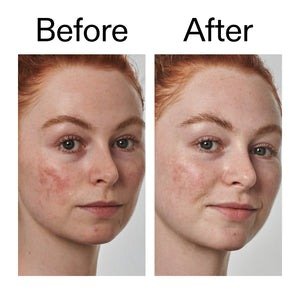
- Struggle with redness and uneven tone
- Need a product suitable for long-term use
Its versatility makes it a useful part of many treatment plans.
How to Use Azelaic Acid Comfortably
For best results:
- Apply once or twice daily
- Use on clean, dry skin
- Apply a thin, even layer
- Wear sunscreen during daytime use
Gradual improvement typically becomes noticeable within several weeks.
Choosing an Azelaic Acid Product
Concentration and formulation quality influence outcomes. A commonly selected option is:
👉 azelaic acid 20% cream
https://okdermo.com/product/azelaic-acid-cream-gel-10-20-percent/
Higher strengths are often used when targeting more noticeable pigmentation or acne.
Who Should Use Caution?
Although well tolerated, azelaic acid may cause mild tingling or dryness in some users. Caution is advised for:
- Application on broken skin
- Combining with multiple strong actives too quickly
Introducing products gradually helps minimize sensitivity.
Conclusion
Azelaic acid provides a thoughtful balance between effectiveness and tolerability, making it especially suitable for sensitive or redness-prone skin. By addressing acne, inflammation, and pigmentation simultaneously, it supports clearer and more even-looking skin over time.
With consistent use and sun protection, azelaic acid can become a reliable long-term treatment option.